
Type of Psalm
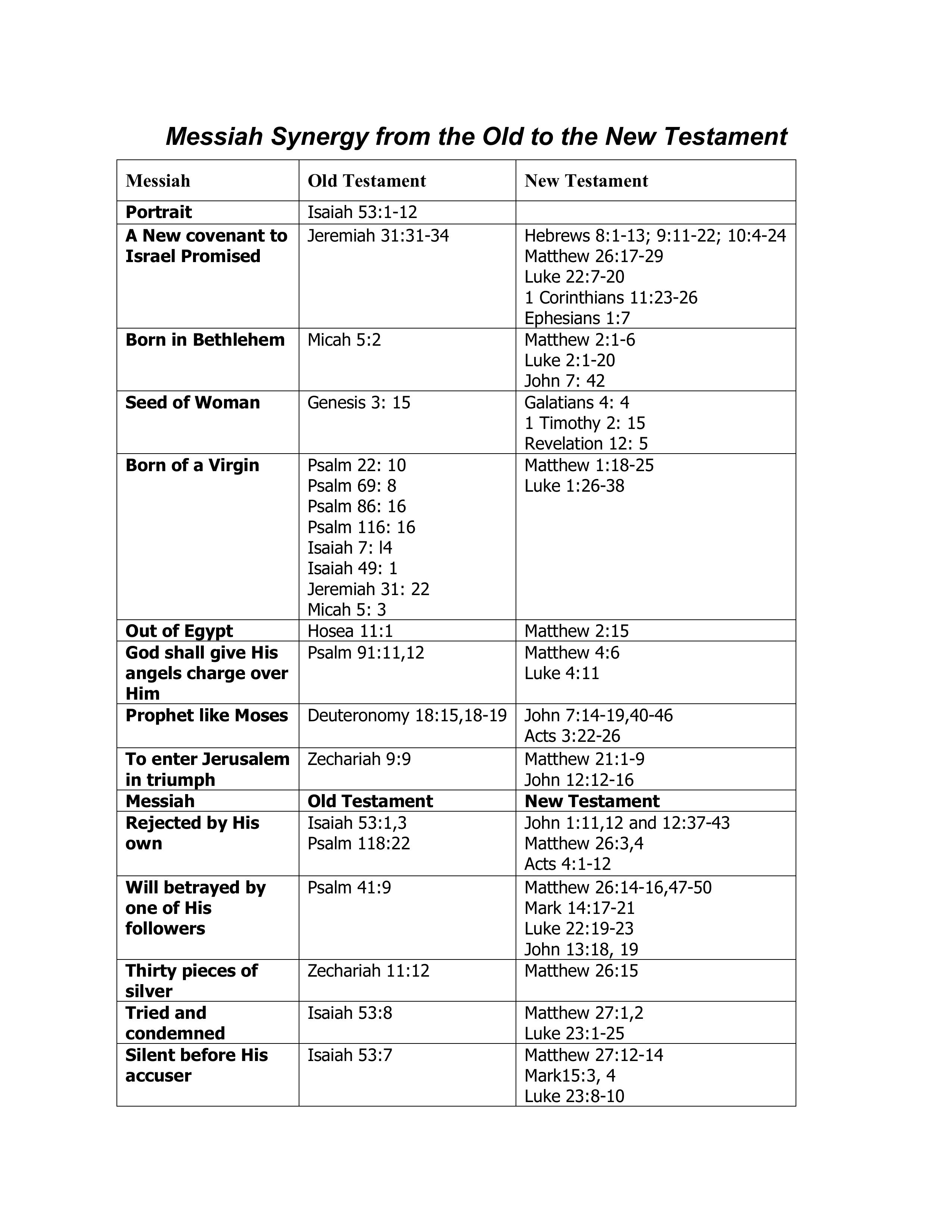
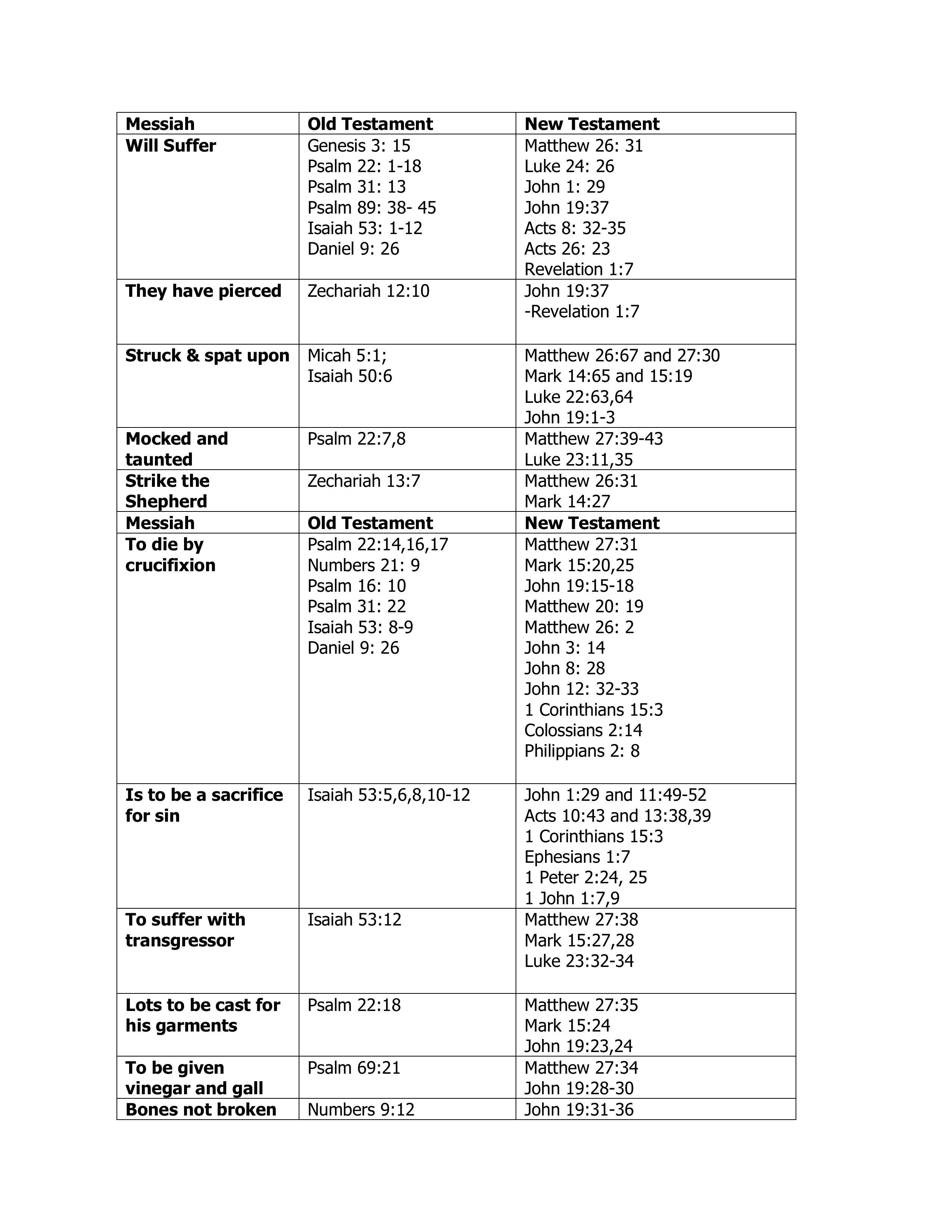
Psalm 22 is a typico-prophetic Psalm, which is historically fulfilled in Christ. As we look at the life of Christ and then relate it to Psalm 22 we see an unquestionably striking resemblance.
God did not abandon Jesus. Jesus was quoting Psalm 22 to show that the prophecy was being fulfilled.
The Historical Setting
The historical setting of Psalm 22, which was written some 1000 years before Christ came, is detailed in 2 Samuel 22:4-7, 17-20, 49-50, and clearly attests David’s authorship. Jesus also fulfils prophecies in Zechariah 12:10, Isaiah 53:5, Luke 23, Matthew 27:39-
40 and John 19.
After Christ came, the writers of the Talmud, when discussing Isaiah 53 and Psalm 22 disagreed with Christians’ Messianic comparisons, but it was worthy of their efforts to discredit the Christian perspective. But it also needs to be noted that the many Talmudic Rabbis recognizes Isaiah 53 as referring to an individual Messiah and not a nation. .
Messianic Application
The second half of Psalm 22 deals with the messianic application as it details all that would be accomplished by the coming Messiah. The first half deals with the torment, disfigurement and demise of a certain soul. The reason I say a certain soul (person) is that the Jews dislike the concept of a suffering and crucified Messiah. They therefore tried to disprove this as a Messianic Psalm.
(Comment: Even today Isaiah 53 is the one chapter of their Bible that is never read in the synagogue when they are referring to Talmud14 (In study of doctrine) as it is
14http://jewishroots.net/library/prophecy/isaiah/isaiah-53/isaiah-53-talmud.html
Babylonian Talmud (Sanhedrin 98b): “Messiah …what is his name? The Rabbis say, ‘The leprous one’; those of the house of the Rabbi (Jehuda Hanassi, known as “the guilty conscience of the synagogue”.) It is abundantly clear that both elements (i.e. the suffering Messiah and he the triumphant Messiah) are relating to the treatment of the Messiah. Jesus underwent all that was outlined here as he also fulfilled other prophetic criteria. It has a tremendous parallel to what David had written 1000 years before.
When we look at the details that David outlined, with the reality of what took place with Jesus on the cross, we see a strong indication of the divine inspiration of Scripture. In this one short passage, we see that through the crucifixion, not only one but also all elements were fulfilled. It is mathematically astronomical at something in the order of about 10 to the power of 15 (that is 10 with 15 zeros after it) of all these things happening by co-incidence 1000 years later.
The author of the Mishna, 135-200) say: ‘Cholaja’ (The sickly), for it says, ‘Surely he has borne our sicknesses’ etc. (Isa.53,4).”
Babylonian Talmud, (Sanhedrin 98), p.2 “Rabbi Yochanan said, The Messiah-what is his name?… And out Rabbis said. “the pale one”… is his name, as it is written “Surely he took up our infirmities and carried our sorrows-yet we considered him stricken by G-d, smitten by him and afflicted.”
Talmud-Mas.Sanhedrin 98b What is his [the Messiah’s] name?… The Rabbis said: His name is ‘the leper scholar,’ as it is written, Surely he hath borne our griefs, and carried our sorrows: yet we did esteem him a leper, smitten of God, and afflicted. (This was in direct reference to Isaiah 53:4).
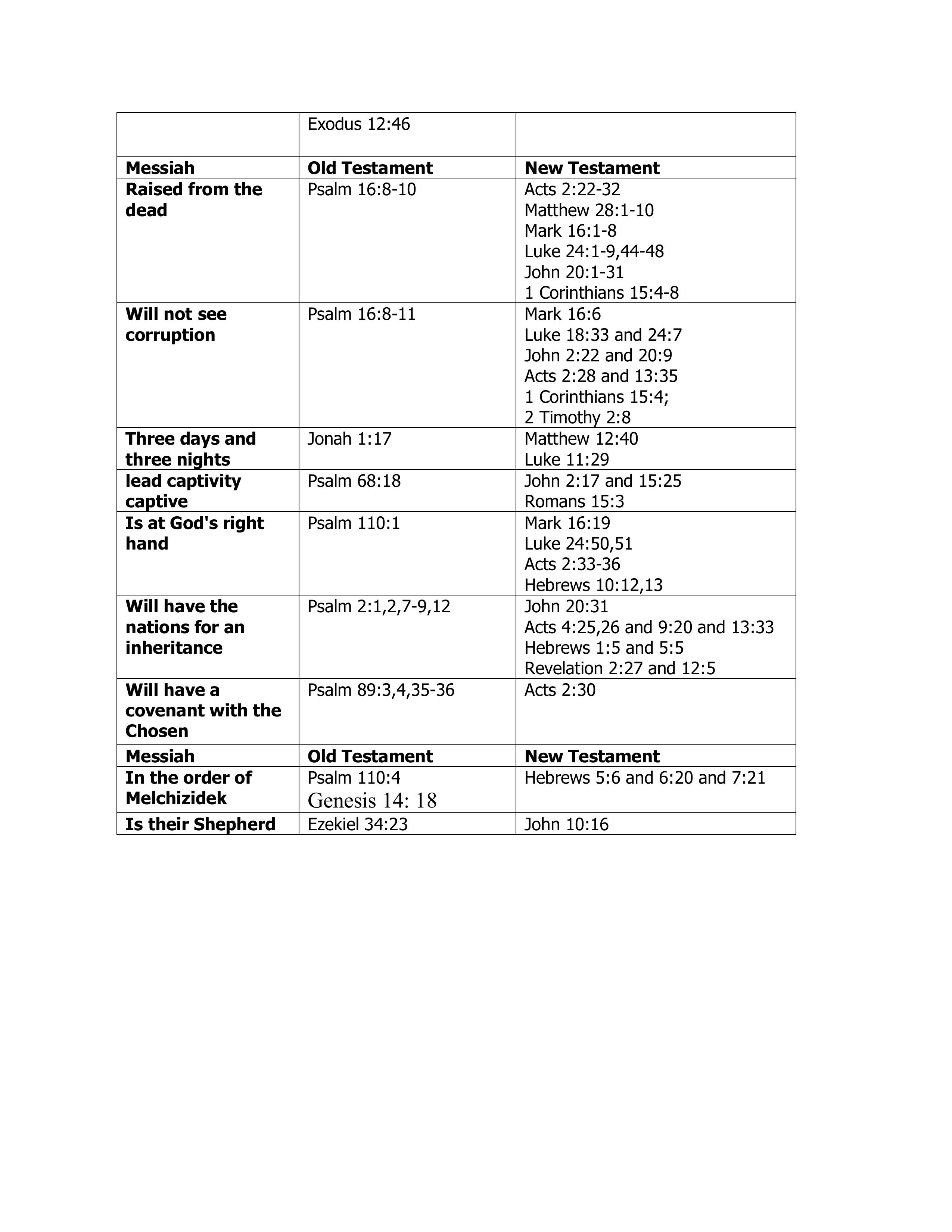
Psalm 22 outlines in detail the requirement of scripture to be fulfilled. Whoever the Messiah was or is He must fit the following descriptions.
1/ He must be a male child because the Hebrew text specifically uses a 3rd person, singular, masculine pronoun—”he”), will be born of the seed of the woman.
2/ He will be a Jew specifically from the seed of Abraham, Isaac and Jacob.
3/ He must be a great prophet like Moses.
4/ He will be mocked, and people will cast lots for His garments while He suffers.
Jesus fits the criteria in every detail, so the Psalm accurately states that Jesus fulfills the requirement of the Messiah.
Details of Parallels Psalm 22
Paul mentions Psalm 22 in Hebrews 2.12 referring to Jesus as the One to bring eternal life. Psalm 22 is a powerful Messianic prophecy and, as we have seen it was fulfilled in Christ.

